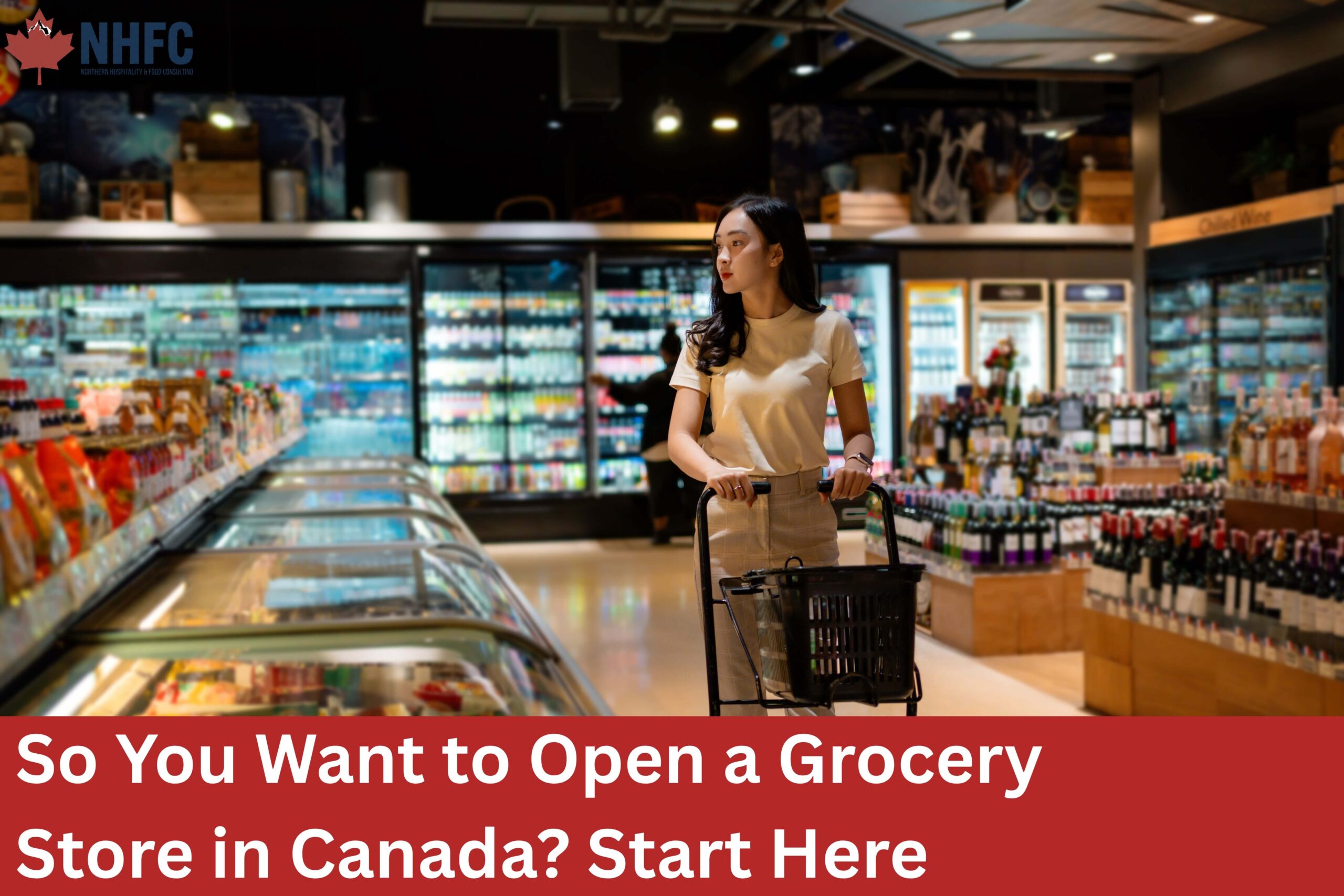
So You Want to Open a Grocery Store in Canada? Start Here
NHFC — From Idea to Opening Day (and Beyond)
Opening a grocery store is one of the most rewarding ways to serve a community — but it’s also one of the most complex businesses a person can start. Between food safety rules, equipment investments, and ongoing operations, there are many steps that first-time owners don’t see coming.
This guide will help you understand the journey ahead, and where NHFC (Northern Hospitality & Food Consulting) can provide expert support as needed — so you can move confidently from your first idea to your first customer.
1️⃣ Begin With a Clear Concept
Before signing a lease or buying equipment, the most successful grocery owners start by clarifying:
- Who is my customer?
- What niche do I fill — ethnic, organic, discount, premium, neighbourhood convenience?
- What is missing in this area that I can provide?
Understanding your market prevents costly changes later.
How NHFC helps here (advisory):
NHFC can support early planning with market insights, competitive research, and feasibility guidance — ensuring your concept aligns with community needs and realistic costs.
2️⃣ Build a Smart Business Plan & Startup Budget
A grocery store requires a bigger investment than most retail shops because of refrigeration, inventory, and staffing. Your business plan should cover:
- Build-out and renovations
- Shelving, freezers, POS and equipment
- Inventory purchasing and replenishment
- Working capital for the first months
- Clear revenue and margin projections
A solid plan keeps the project on track and is essential for bank or leasing approvals.
How NHFC helps (advisory):
We can assist in preparing clear budgets and detailed plans that lenders understand — while helping you avoid overspending or overlooking critical items.
3️⃣ Understand the Permits & Regulations
Grocery businesses intersect with all levels of government — zoning, food safety, fire code, waste management, and more. The order and timing of approvals matter.
Typical requirements include:
- Municipal business licence & zoning confirmation
- Provincial public health review and inspection
- Federal labelling and food safety rules if packaging food
- Signage and renovation permits before opening
Each municipality has variations — and knowing the sequence saves weeks.
How NHFC helps (guidance):
Our team supports clients through compliance planning and documentation, helping ensure requirements are met properly the first time.
4️⃣ Choose a Good Location — With the Right Lease
The right neighbourhood brings regular traffic and return customers. Consider:
- Proximity to nearby households
- Parking, visibility, and delivery access
- Store size, ceiling height, and ventilation
- Lease terms allowing food equipment, ventilation, signage, etc.
A lease is a long-term relationship — negotiating the right clauses matters.
How NHFC helps (expert review):
We can help assess location suitability from a food-retail perspective, so you feel confident before committing.
5️⃣ Design for Flow, Safety & Customer Experience
A grocery store layout affects sales, labour efficiency, and food safety. Smart store design includes:
- Welcoming produce entrance zones
- Efficient path to core departments (meat, dairy, frozen)
- Safe back-of-house storage locations
- Proper hand-washing & cleaning infrastructure
- Cold storage near receiving to protect product quality
Good design reduces spoilage and improves the shopping experience.
How NHFC helps (professional planning):
Our specialists assist with layout planning aligned to provincial health rules and energy-efficient equipment needs.
6️⃣ Invest in the Right Equipment & Suppliers
Your equipment choices influence daily operations and long-term costs.
Essentials include:
- Walk-in coolers/freezers
- Refrigerated cases for meat, dairy, produce
- Dry shelving & gondolas
- POS system with inventory tracking
- Food handling tools & cleaning equipment
Reliable distributor relationships ensure competitive pricing — and quick support when needed.
How NHFC helps (network support):
We connect clients with reputable Canadian equipment suppliers and maintenance providers, helping them choose smart long-term options — not just the cheapest upfront.
7️⃣ Hiring, Training, and Daily Systems
Once open, success depends on consistent standards:
- Staff who understand food safety & service
- Procedures for temperature logging and product rotation
- Cleanliness and sanitation schedules
- Cash handling and inventory controls
- Clear opening and closing routines
These protect your reputation and profit margins.
How NHFC helps (operational guidance):
We assist with early staffing plans, training priorities, and operational setup so your team is ready long before opening day.
8️⃣ Plan Your Opening and Ongoing Marketing
A grocery store becomes a community habit — but only if the community knows about it.
Consider:
- Local signage & grand opening promotions
- Partnerships with community centres, cultural groups, and local producers
- Digital visibility: Google Business, social media, loyalty programs
How NHFC helps (launch support):
We guide owners through opening readiness — ensuring permits, staffing, and shelves are aligned for a strong start.
The Takeaway
You don’t have to navigate this alone.
There’s a proven order to opening a grocery store successfully — and making the right decisions early can save time, money, and future headaches.
When you’re ready to turn your idea into a real store, NHFC is here to help — from idea to opening day (and beyond).
No pressure. Just expertise when you need it.


